98.2% purity
 View Details
Novous Labs
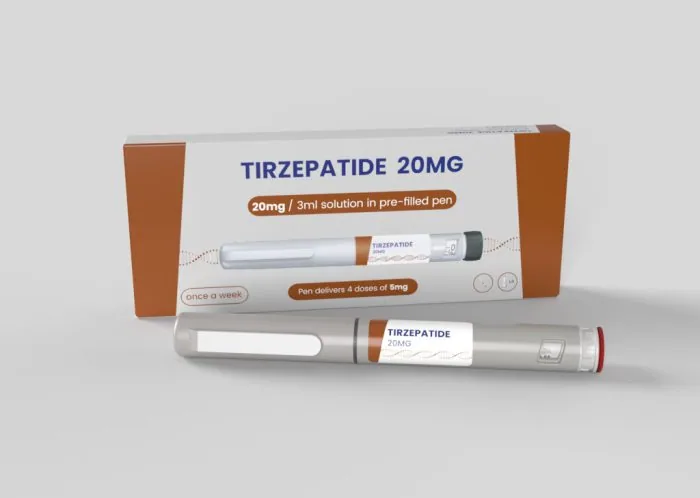
Fact sheet for Tirzepatide 20 mg: A lab-tested performance compound with a verified purity of 97.6% (tested on 2026-02-24). The product contains the active substance Tirzepatide at a concentration of 20mg and comes in a size of 1 unit. Recommended for athletes seeking guaranteed chemical purity and exact dosing.
Tirzepatid is a synthetic peptide with dual incretin activity — the molecule activates both the GIP receptor (gastric inhibitory polypeptide / glucose-dependent insulinotropic polypeptide) and the GLP...
Tirzepatid is a synthetic peptide with dual incretin activity — the molecule activates both the GIP receptor (gastric inhibitory polypeptide / glucose-dependent insulinotropic polypeptide) and the GLP-1 receptor (glucagon-like peptide-1) at the same time. It is one of the first molecules in a new pharmacological class called twincretins and represents a structural evolution from the single agonists semaglutide and liraglutide. Tirzepatide consists of 39 amino acids in a linear chain, modified with a C20 fatty acid side chain that binds to serum albumin, thereby extending the plasma half-life to approximately five days — a pharmacokinetic profile that allows for weekly administration.
Tirzepatid was developed by Eli Lilly and was first approved by the FDA in May 2022 under the trade name Mounjaro for the treatment of type 2 diabetes. In November 2023, the same molecule was approved under the trade name Zepbound for the treatment of overweight and obesity in adults with BMI ≥30 or BMI ≥27 in combination with weight-related comorbidities. The European approval process through the EMA followed shortly thereafter. The pivotal clinical trials are part of the SURPASS program (type 2 diabetes) and the SURMOUNT program (obesity).
Presentation 20 mg corresponds to the highest approved maintenance dose and is used after a stepwise up-titration starting at lower levels to reduce gastrointestinal side effects during the initial phase. The package is available in the form of pre-filled injection pens or vials intended for subcutaneous administration once a week.
Tirzepatid simultaneously binds to two G protein-coupled receptors that are both central to glucose homeostasis — the GIP receptor and the GLP-1 receptor. The activation of these receptors triggers formation of cAMP via the Gs protein, which in turn activates protein kinase A and Epac-mediated signaling. The effects are complementary and synergistic on several levels.
On the beta cells of the pancreas, both receptors stimulate glucose-dependent insulin secretion — that is, insulin is released only when blood sugar is elevated, which is an important pharmacokinetic difference to sulfonylureas and reduces the risk of hypoglycemia. Glucagon secretion from the alpha cells is dampened via the GLP-1 receptor, which contributes to lowered fasting blood sugar. In the stomach, GLP-1 receptor activation slows gastric emptying, which reduces postprandial glucose peaks and contributes to early satiety.
Central nervous influence is central to weight reduction. The GLP-1 and GIP receptors in the hypothalamus, in the nucleus tractus solitarii and in the area postrema mediate satiety signals and suppress appetite. The brain's reward system is also affected in ways that reduce cravings for particularly energy-rich foods. In comparative studies, the double agonism has produced a greater effect on both HbA1c and body weight than single agonists, a finding that is interpreted as synergy between the two receptor pathways.
In pharmacological studies from the SURPASS and SURMOUNT programs as well as in post-marketing data, several physiological systems in which tirzepatid leaves an imprint reappear:
The side effect profile of tirzepatid has been extensively documented in the SURPASS and SURMOUNT programs as well as in post-marketing reporting after introduction in 2022. The profile is dominated by gastrointestinal side effects, mainly during the up-titration phase, and usually decreases with time. More rare but serious side effects occur and require attention during clinical follow-up.
The overall side effect picture of tirzepatide — gastrointestinal effects, rare but serious reactions in the pancreas and biliary tract, as well as a theoretical C-cell tumor risk — means that clinical use is based on close monitoring of symptoms, weight development and relevant laboratory parameters (HbA1c, lipid status, liver and kidney function, calcitonin in at-risk individuals).
Tirzepatide 20 mg (Tirzepatide, 20mg, 1 unit) belongs to our injectable steroids cluster with a verified HPLC purity of 97.6% (batch B-TIRZE-T6YE-2026). Long-chain esters such as Testosterone Enanthate, Cypionate, Sustanon 250, Deca Durabolin and Boldenone are administered 1–2 times weekly across 10–16 week cycles, while short esters like Propionate and Trenbolone Acetate are pinned every other day (EOD). Keep Arimidex (1mg) or Aromasin (25mg) on hand for on-cycle estrogen control and follow with a complete Nolvadex (20mg), Clomid (50mg) and hCG 5000 IU Post Cycle Therapy (PCT).
buy semaglutide europe · semaglutide 5mg · semaglutide dosage chart · buy retatrutide 10mg online · retatrutide dosage protocol · retatrutide vs tirzepatide · buy tirzepatide europe · tirzepatide 10mg · tirzepatide vs semaglutide · mounjaro dosage guide · wegovy vs saxenda · cagrilintide 5mg · cagrilintide vs retatrutide · orforglipron oral glp 1
View Details  View Details
 View Details
 View Details